La poesía como herramienta para aprender español y fomentar la participación
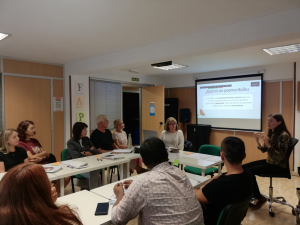
En nuestra oficina de Ser Joven el día 1 de octubre 2026 tuvimos una segunda actividad, dentro de las acciones locales, dedicada a la poesía. Esta vez estaba dirigida a estudiantes de español provenientes de la comunidad migrante de nuestra ciudad. La actividad reunió participantes de forma presencial, además de varias personas que se conectaron online desde distintos lugares del mundo.
Utilizamos la poesía y diferentes juegos creativos como una forma de practicar español y ampliar vocabulario, pero a la vez la propuesta era que los participantes utilizaran el idioma con mayor libertad, expresarse, dar rienda suelta a su creatividad sin la presión de tener que hablar o escribir de manera perfecta.
La actividad comenzó con la creación de acrósticos sobre uno mismo. A partir de las letras de sus nombres, los participantes escribieron pequeños poemas relacionados con su personalidad, intereses o características, que después presentaron al grupo. También hicieron un juego por parejas de preguntas y respuestas (sin saber lo que cada uno va a decir) que permitió practicar el idioma de una manera divertida y graciosa.
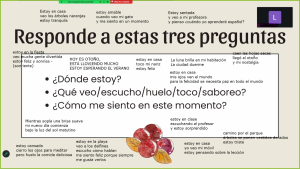
En la última actividad introducimos el haiku, una forma poética de origen japonés. Los participantes conocieron sus principales características y su relación con formas poéticas españolas, como la seguidilla, además de algunos ejemplos de haikus escritos en español y los haikus escritos por los
participantes de la ONCE. Después, crearon sus propios poemas utilizando vocabulario relacionado con los sentidos.
Con la actividad mostramos que la poesía puede ser una herramienta sencilla y accesible para practicar un idioma extranjero y ganar confianza en su uso. Además que uno puede, independientemente de su nivel de español, crear poesía y expresarse de forma original en un idioma que está estudiando, y que la poesía no tiene por qué ser complicada, escribirse únicamente en la lengua materna o concebirse como una actividad individual. También puede convertirse en una herramienta útil y práctica para aprender, una forma de expresión personal y, al mismo tiempo, una experiencia creativa y artística que se disfruta en compañía.
Aquí os dejamos algunos de los poemas que escribieron los participantes y que nos hablan sobre la naturaleza, las emociones, la felicidad, la paz y los momentos de la vida cotidiana, momentos inspirados en los paisajes de la ciudad:
"Estoy en casa
mis ojos ven el mundo
para la felicidad se necesita paz en todo el mundo"
"Caen las hojas secas
llegó el otoño
y mi nostalgia"
"Estoy en la playa
veo a los delfines
escucho cómo hablan
me siento feliz porque siempre
me gusta verlos"
"Estoy en la fiesta
veo mucha gente divertida
estoy feliz y sonrisa
(sonriente)"